Trauma sensitive mindfulness
Book me for private retreat days or bespoke mindfulness workshops or courses.
Trauma Sensitive Mindfulness (TSM) is an approach to mindfulness that acknowledges the needs and experiences of people who have experienced trauma. TSM was developed by David Treleaven. TSM encourages professionals to adapt traditional mindfulness practices to ensure they are safe, accessible, and supportive for individuals who could feel dysregulated whilst protecting mindfulness. The impact of trauma on people can be profound and complex, affecting the body, mind, emotions, relationships, and overall somatic functioning. Trauma occurs when a person experiences an event, or series of events, that leave them feeling out of control, unwitnessed and harmed. In clinical and psychological terms, trauma refers to the emotional and physiological response to an event or series of events that are experienced as physically or emotionally harmful or life-threatening, with lasting adverse effects on an individual’s functioning and well-being. The impact of trauma can affect how we feel in our body, navigate use of breath and more. TSM is underpinned by empowerment, creating a safe enough container, non-judgment, trust, collaboration and awareness.
Mindfulness enables us to let go of worries about the past or future, fostering more gratitude, emotional regulation, and presence. By activating the parasympathetic nervous system, the body’s “rest and digest” mode, we cultivate more calm, awareness, and resilience.
Being a trauma informed professional and passionate about compassion based practices, I integrate self-compassion into all my work, recognising that fear and shame often block our ability to connect with ourselves. I have completed my Compassionate Mind Training with Balanced Minds and bring these practices into my mindfulness work.
I have led mindfulness workshops for diverse organisations and teams. The main focus for many is managing stress and navigating work pressures, however my workshops can be tailored to the needs of any organisation. I offer run individual bespoke workshops, 6 to 8-week mindfulness courses and day retreats. Mindfulness research has concluded that mindfulness can alleviate symptoms of stress, help with nervous system regulation, increase productivity, reduce rumination and increase well-being. My approach is creative and I offer a variety of practices including mindful movement, sound, breath, meditation and more. I believe mindfulness can be practiced by everyone, anytime and is a strong resource when it comes to daily nervous system regulations.
If you’re interested in individual sessions or group workshops, please feel free to get in touch.
Interested in mindfulness? I offer retreat days, workshops and 8 week courses to teach individuals how mindfulness can change their lives, increase productivity and help them cultivate more inner stillness. Why approach to mindfulness is creative and playful, I believe everyone can learn mindfulness and incorporate it into their lives. If you would like to discuss working together, please contact me for a free connection call.
The science behind mindfulness:
Regular mindfulness practice:
Calms the amygdala, the part of the brain that processes fear and threat (out alarm system)
Strengthens the prefrontal cortex, which helps with decision-making and emotional regulation
Builds pathways that support resilience, clarity, and emotional balance
It’s simple, evidence-based, and very powerful.
Core Principles of Trauma Sensitive Mindfulness (TSM)
Safety First: Psychological, emotional, and physical safety are central. Nothing is forced. There’s no one-size-fits-all.
Choice and Empowerment: Participants are always offered choices, invited, not instructed. The emphasis is on agency, not endurance.
Awareness of Trauma and the Nervous System: TSM teaches facilitators and practitioners how trauma impacts the body, brain, and nervous system—and how mindfulness can either support or disrupt regulation.
Titration and Pendulation: Instead of diving deep into intense experiences, TSM encourages small doses of awareness, balanced with grounding. This creates safety and integration.
Inclusive, Relational Space: Trauma doesn’t happen in a vacuum. TSM honours each person’s social, cultural, and relational context, aiming for a practice space that is inclusive, affirming, and attuned.
Core Principles
- Safety comes first: Prioritise physical and emotional safety at all times.
- Offer choice and autonomy: Support individuals in making their own decisions about how (or whether) to engage in practices.
- Stabilisation over exposure: Avoid encouraging people to confront overwhelming experiences without adequate support.
- Be aware of potential triggers: Recognise that practices such as focusing on the breath or body can provoke traumatic responses.
- Build trust gradually: Foster a sense of safety and consistency to support healing.
Practice Guidelines
- Provide alternative anchors: Use sound, sight, or gentle movement as grounding points instead of just the breath.
- Use invitational language: Say “if you feel comfortable” or “you might choose to” rather than giving instructions.
- Normalise a range of responses: Let participants know that distraction, discomfort, or restlessness are valid and acceptable.
- Encourage self-regulation: Empower individuals to pause, move, or open their eyes whenever needed.
- Cultivate gentleness and patience: Avoid pushing or striving; allow experiences to unfold at a manageable pace.
Book me for a private session:
Retreat day
Mindfulness Retreat Day: A Day of Renewal and Connection (an example, this can be tailored to individual needs)
Join me for a transformative Mindfulness Retreat Day, designed to help you reconnect with yourself, find inner peace, rest and recharge your body and mind. This retreat provides a full day of mindful practices, nurturing self-compassion, and grounding techniques, all in a supportive, calming environment. Whether you are new to mindfulness or an experienced practitioner, this retreat offers a unique opportunity to slow down, refresh, and deepen your practice.
What to Expect:
Throughout the day, you will experience a variety of mindfulness practices, reflective exercises, and self-care rituals, allowing you to fully immerse yourself in the present moment.
This retreat will support you in:
Releasing stress and finding calm through mindful breathing and movement.
Cultivating awareness of your body, thoughts, and emotions, and learning how to respond with more compassion and less judgment
Connecting deeply with your inner self while feeling supported by a professional, trauma informed, experienced mindfulness teacher
The retreat day will be held in a peaceful, serene location, offering a perfect setting for relaxation and self-reflection.
Schedule Overview:
9:00 AM – 9:30 AM: Welcome & Introduction
Arrival and settling into the space.
Setting intentions for the day with a gentle introduction to mindfulness and the practices we’ll explore together. An introduction to the nervous system and why we practice mindfulness.
Short grounding practice to prepare for the day ahead.
9:30 AM – 11:00 AM: Mindful yoga & Somatic practices
A guided mindful movement session to release tension, increase body awareness, and invite relaxation.
Practices to connect with the body, gently stretch, and tune into sensations and breath.
A focus on embodiment to help ground and center you in the present moment.
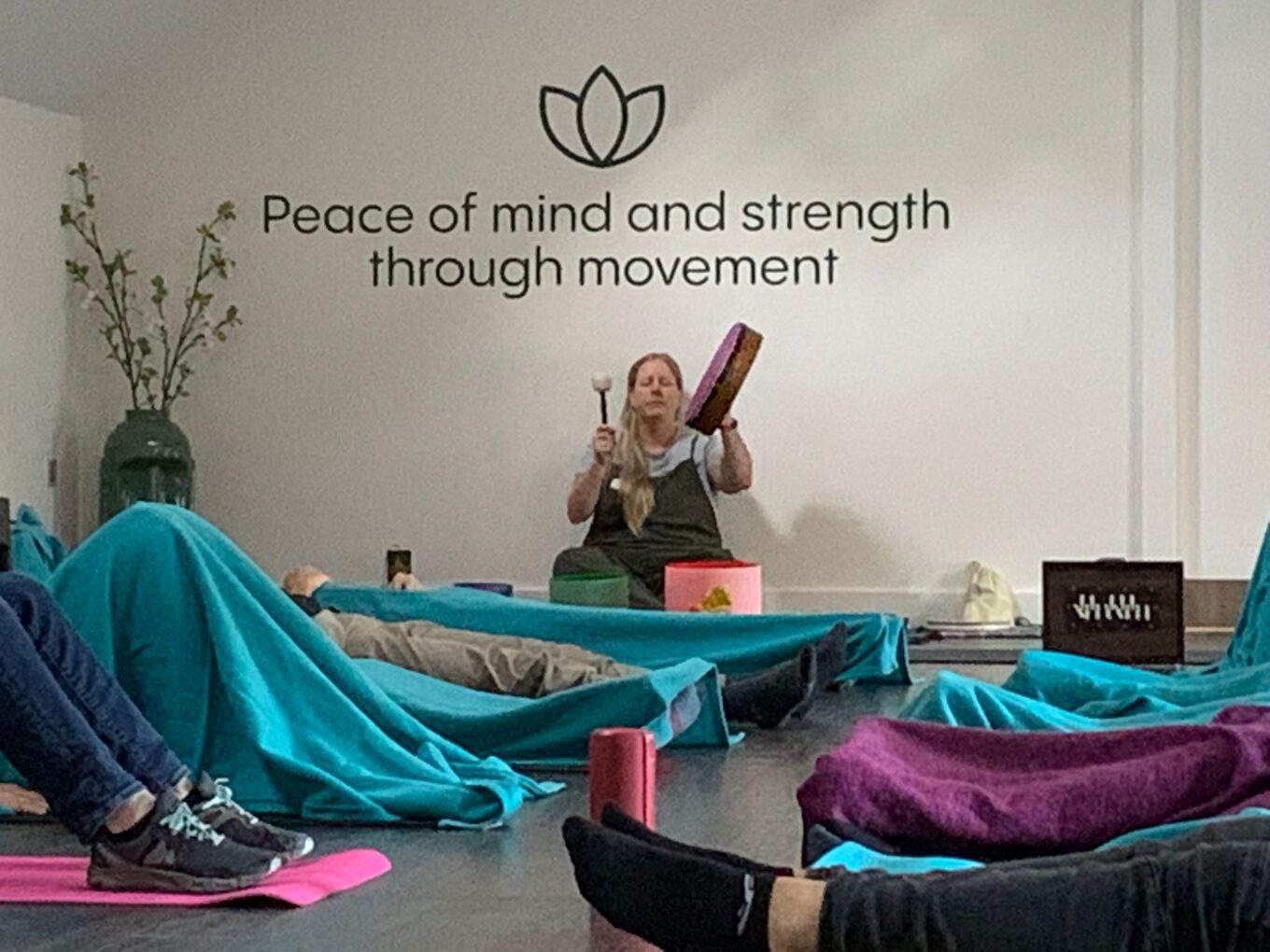
11:00 AM – 12:00 PM: Guided Mindfulness Meditation with sound
A guided meditation to encourage deep relaxation and present-moment awareness. Live sound will accompany the meditation.
Learning tools to practice mindfulness in everyday life, such as mindful breathing and focusing attention.
Exploring the body-scan practice to cultivate deep awareness of your body and sensations.
12:00 PM – 1:00 PM: Silent Reflection / Lunch
Silent time after lunch for self-reflection, journaling, or walking in nature.
A chance to connect with yourself without distraction, promoting a sense of peace and calm.
1:00 PM – 2:30 PM: Mindful Walking & Nature Connection
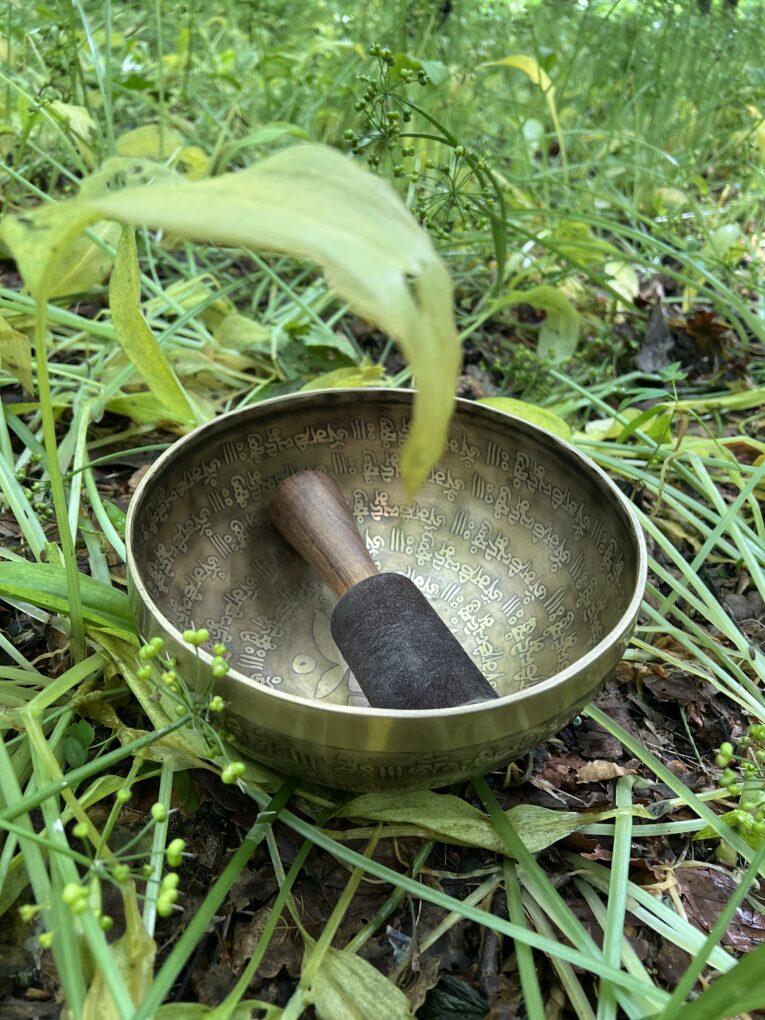
A mindful walking practice in nature (or in the surrounding area) to deepen your connection to the environment and your senses. Forest bathing with drumming or Tibetan bowls accompaniment.
Guidance on using walking as a form of mindfulness, noticing sensations, sounds, and sights as you move.
Cultivating presence and awareness in every step, fostering tranquility and stillness.
2:30 PM – 3:30 PM: Compassionate Self-Care Practice
Loving-kindness and compassionate self meditation to encourage compassion towards yourself and others.
Practices for cultivating self-compassion, letting go of self-criticism, and fostering a nurturing inner dialogue.
Reflection on personal growth and how to incorporate compassion into your daily life.
3:30 PM – 4:00 PM: Integration & Closing Circle
Time to reflect on the experiences of the day and share insights or realisations.
Gentle closing meditation to integrate the practices and invite calm and clarity.
Sharing of resources for continued mindfulness practice after the retreat.
8-Week Trauma-Sensitive Mindfulness Course Outline
Course Overview:
This 8-week course is designed to introduce and integrate mindfulness and compassion practices with a trauma sensitive approach. It will provide tools to support emotional regulation, grounding, and self-awareness, with a focus on building resilience and healing. Each session includes guided practices, group sharing, and reflective journaling prompts, with an emphasis on safety, choice, and pacing. Recordings of practices will be shared.
By the end of this course, participants will have a variety of mindfulness techniques that they can use to manage stress, navigate difficult emotions, and deepen their sense of connection with themselves in a gentle, supportive way.
Week 1: Introduction to Trauma Sensitive Mindfulness
An overview of Trauma Sensitive Mindfulness (TSM) and the core principles of safety, choice, and empowerment, including an introduction to the nervous system,.
Understanding how trauma impacts the nervous system, including the fight, flight, freeze, and fawn responses.
The role of mindfulness in trauma recovery and its potential to regulate the nervous system.
Week 2: Cultivating Safety and Presence
Exploring the concept of safety within mindfulness practices and why it is foundational for trauma healing.
Understanding your window of tolerance and the importance of staying within that range during mindfulness.
How mindfulness can help create a sense of inner safety and groundedness.
Week 3: Developing Body Awareness
The significance of interoception (body awareness) in mindfulness and how it helps us tune into our emotions and physical sensations.
Recognising how emotions manifest in the body and how to use this information to guide your practice.
Introduction to somatic mindfulness: integrating mindfulness with body-centered awareness to support emotional regulation.
Week 4: Mindful Awareness of Emotions
Introduction to emotional regulation: how mindfulness can help you respond to emotions with awareness rather than reacting impulsively.
Learning to sit with emotions without being overwhelmed by them, using mindfulness to create space for them.
Recognising and understanding the wisdom in your emotions.
Week 5: Working with the Mind
Understanding how the mind reacts to trauma and stress, and how mindfulness can help create more clarity and peace.
Learning how to observe thoughts without being swept away by them—practicing mindful awareness of mental patterns.
The practice of thought diffusion: creating distance between you and your thoughts.
Week 6: Navigating Triggers and Overwhelm
How trauma triggers can impact mindfulness practice and how to work with triggers in a compassionate way.
Strategies for grounding and staying connected during overwhelming emotional or physical states.
How to build emotional resilience through mindfulness.
Week 7: Self-Compassion and Kindness
The role of self-compassion in trauma healing and mindfulness practice. Understanding the importance of treating yourself with gentleness and kindness when navigating challenging emotions. Using the 3 emotional regulation systems of compassion focussed therapy to find more balance.
The integration of mindfulness with self-care practices.
Week 8: Integrating Mindfulness into Daily Life
How to integrate mindfulness practices into everyday activities for greater presence, calm, and connection.
Mindfulness for long-term resilience and change: continuing to use mindfulness as a tool for emotional and nervous system regulation.
Setting intentions for ongoing mindfulness practice after the course.
Course Completion:
At the end of the 8 weeks, participants will receive a certificate of completion and be encouraged to continue practicing mindfulness in a way that suits their needs, with ongoing resources for support.
Resources:
The 4 Rs of TSM: